Crowns and bridges
Damaged or missing teeth can affect your confidence, comfort, and ability to chew properly. Crowns and bridges are long-lasting, natural-looking solutions designed to restore the strength and appearance of your smile.
At Green Meadows Family Dentistry, we provide high-quality restorations that blend beautifully with your natural teeth and support your long-term oral health. Whether you need to repair a single tooth or replace several, our team offers personalized care for patients across the Virginia Beach area.

Dental crowns
A dental crown is a custom-made restoration that fits over a tooth to strengthen, protect, and restore its shape. Crowns are recommended when a tooth cannot be treated with a filling alone and needs added reinforcement.
When a crown may be needed
Crowns are commonly used to treat:
A cracked or fractured tooth
A tooth weakened by decay
A tooth with a large filling that needs support
A tooth following root canal therapy
Teeth with cosmetic concerns, such as discoloration or irregular shape
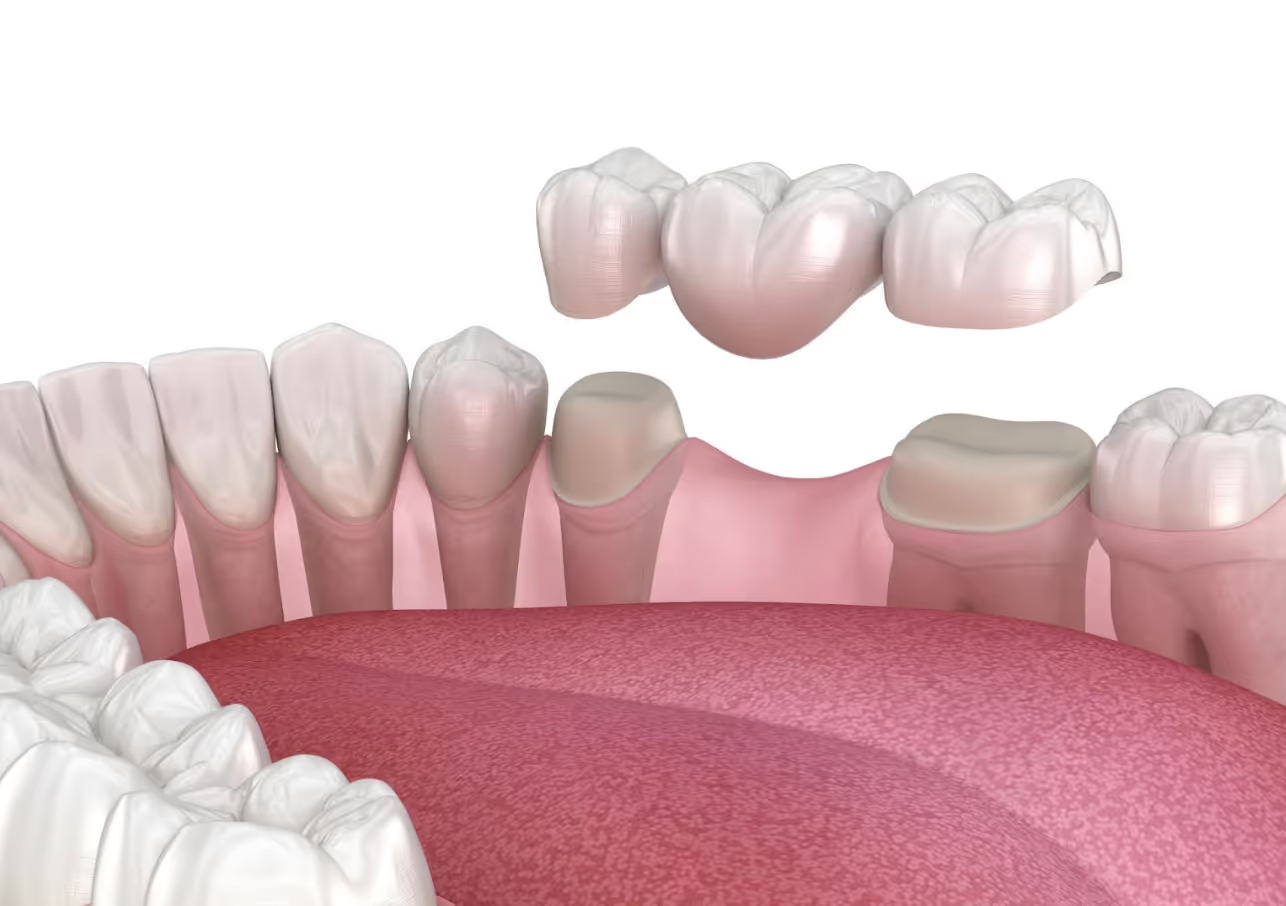
A well-designed crown protects the remaining tooth structure and restores natural function.
Materials for crowns
Crowns are made from durable, tooth-colored materials such as porcelain or ceramic. These materials:
Match the shade of your natural teeth
Provide strength for everyday chewing
Offer excellent longevity
Create a seamless, natural appearance
Some crowns are made entirely of ceramic, while others may incorporate a stronger base depending on function and bite needs. Your dentist will recommend the best option based on your goals.
How the crown process works
The process for receiving a crown can vary depending on the technology used. In some cases, crowns are completed in a single appointment using in-office milling. In other cases, impressions are sent to a dental lab, and the final crown is placed at a second visit.
The steps generally include:
1
Preparing the tooth by removing damaged areas
2
Shaping the tooth to support the crown
3
Taking digital scans or impressions
4
Fabricating the final crown
5
Placing and adjusting the crown for comfort and a precise bite

No matter which method is used, the goal is a strong, well-fitting restoration that looks and feels natural.
Caring for a dental crown
Good daily habits help your crown last longer. We recommend:
Brushing twice a day
Cleaning around the crown with floss or an interdental brush
Avoiding chewing hard items such as ice
Wearing a nightguard if you grind or clench
Keeping routine dental visits
With proper care, crowns can last many years and maintain their natural appearance.
Updating or replacing older crowns
Crowns may need replacement if they chip, wear down, or no longer match surrounding teeth. Updating a crown can:
Improve comfort and chewing
Refresh the color and appearance
Support healthier gum tissues
Enhance overall smile aesthetics
If you have an older crown that feels loose or uncomfortable, we can evaluate and discuss options for replacement.
Dental bridges
A dental bridge is a fixed restoration used to replace one or more missing teeth. It connects an artificial tooth to neighboring natural teeth or implants, restoring function and preventing shifting.
When a bridge may be recommended
Bridges can be an effective solution if you:
Have lost a tooth and prefer a fixed replacement
Want to avoid removable partial dentures
Have surrounding teeth strong enough to support the bridge
Want to restore chewing ability and smile appearance
Want to prevent shifting or bite changes after tooth loss
Bridges help maintain proper tooth alignment and support long-term oral health.
Types of bridges
Depending on your needs, your dentist may recommend:
Traditional bridges supported by crowns on adjacent teeth
Implant-supported bridges for multiple missing teeth
Cantilever bridges in specific situations
Your dentist will explain which option fits your goals and oral health.
How the bridge process works
Creating a bridge typically involves:
1
Preparing the supporting teeth for crowns
2
Taking scans or impressions
3
Designing a bridge that fits securely and blends naturally
4
Placing a temporary bridge if needed
5
Cementing the final bridge once it is ready
The result is a stable, natural-looking restoration that restores both appearance and function.
Caring for a dental bridge
Daily care is essential to maintain the health of the supporting teeth and gums. We recommend:
Brushing twice a day
Cleaning under the bridge using floss threaders or interdental brushes
Wearing a nightguard if recommended
Scheduling regular cleanings and checkups
Proper care helps bridges last for many years and remain comfortable.
Updating older bridges
Older bridges may need replacement if they become loose, worn, or no longer match your surrounding teeth. New materials offer stronger, more aesthetic results. If you have a bridge that feels unstable or looks outdated, an updated restoration can significantly improve your smile.
When to schedule a visit
You should contact our office if you experience:
A cracked or loose crown
A bridge that feels unstable
Sensitivity around a restored tooth
Changes in bite or chewing comfort
A missing tooth that affects your smile or function
Early evaluation helps prevent further damage and ensures your restoration continues to fit properly.
Schedule your crowns and bridges appointment
If you need to repair a weakened tooth or replace one that is missing, crowns and bridges offer dependable, natural-looking solutions.
Green Meadows Family Dentistry provides personalized, high-quality restorations for patients throughout Virginia Beach. To schedule your visit, contact our office or request an appointment online.
Schedule an Appointment 
FAQs
How long do crowns and bridges last?
With good home care, many last ten years or longer.
Can a bridge replace several missing teeth?
Yes. Bridges can replace one or several teeth, depending on the support available.
What if my crown or bridge becomes loose?
Contact us promptly so we can evaluate and repair or replace the restoration.
