Root canals in Virginia Beach
Tooth pain, sensitivity, or deep decay can make simple daily activities uncomfortable. Root canal therapy is a restorative treatment that can save a natural tooth when the inner pulp becomes infected or inflamed.
At Green Meadows Family Dentistry, we provide gentle, effective care to help relieve discomfort and protect your long-term oral health.
Schedule an Appointment 
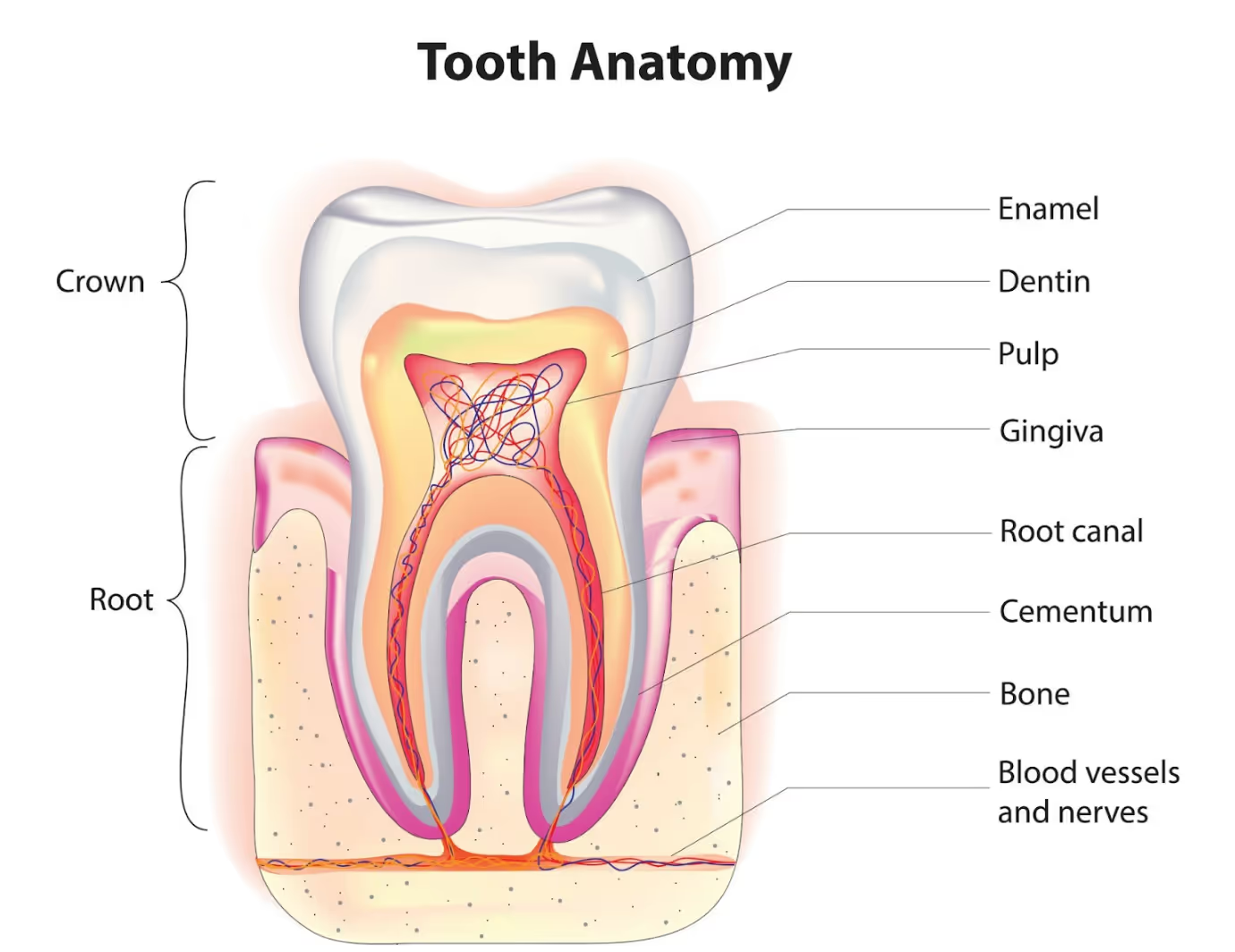
Understanding the inner structure of a tooth
Each tooth contains a soft inner center called the pulp, which holds nerves, blood vessels, and connective tissue. When bacteria enter this space (often due to decay, cracks, trauma, or previous dental work), the pulp can become infected.
Because the pulp chamber is enclosed, the infection cannot heal on its own and may cause increasing discomfort or swelling.
Root canal therapy removes the infected tissue, disinfects the inside of the tooth, and seals it to prevent further problems. The goal is to eliminate pain and save the natural tooth whenever possible.
Signs you may need a root canal
Not every toothache requires root canal therapy, but certain symptoms can indicate that the pulp is compromised. Contact our office if you experience:
Lingering sensitivity to hot or cold
Pain when chewing or biting
Swelling or tenderness around a tooth
Darkening or discoloration of the tooth
A pimple-like bump on the gums
Unexplained pressure or throbbing
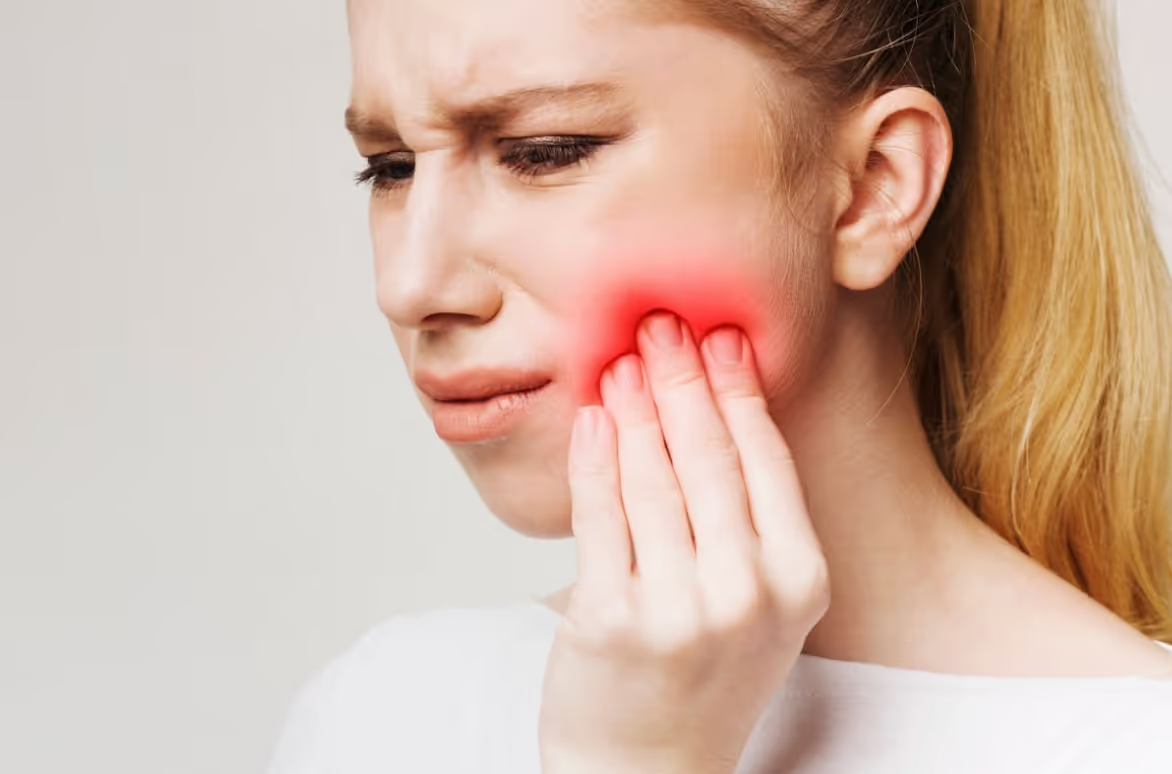
Some teeth show no noticeable symptoms until the infection becomes advanced, which is why routine dental exams are essential.
Common causes of pulp infection
A tooth may require root canal therapy for several reasons, including:
Deep decay that reaches the pulp
A cracked or fractured tooth
A previous injury to the tooth
Large or repeated dental work on the same tooth
Bacteria entering through worn fillings
Trauma that causes nerve damage even without visible cracks
In many cases, saving the natural tooth is preferable to removing it, as it helps maintain proper chewing, alignment, and appearance.
How root canal therapy helps
Root canal treatment removes the source of infection, relieves pain, and allows the tooth to function normally again. Once the inner canals are cleaned and sealed, the tooth is restored with a filling or crown to strengthen and protect it from further damage.
Benefits of root canal therapy include:
Relief from pain and sensitivity
Preservation of natural teeth
Protection against spreading infection
Restoration of full chewing function
Prevention of tooth loss and shifting

Patients often feel much better shortly after treatment, once inflammation and pressure have been relieved.
What to expect during treatment
Modern root canal therapy is designed for comfort. Before treatment begins, the tooth and surrounding area are numbed to ensure a relaxed experience. The general steps include:
1
Numbing the tooth
2
Creating a small opening to access the pulp
3
Removing the infected or inflamed tissue
4
Cleaning and shaping the inner canals
5
Sealing the canals to prevent reinfection
6
Restoring the tooth with a temporary or permanent filling
In many cases, a crown is recommended afterward to strengthen the tooth and protect it for long-term use.
After your root canal
Most patients return to normal activities shortly after treatment. Mild soreness is common for a day or two and can typically be managed with recommended over-the-counter medication. To protect your tooth during healing:
1
Avoid chewing on the treated side until the final restoration is placed
2
Keep up with gentle brushing and flossing
3
Follow any instructions provided for care
Once fully restored, the tooth should feel comfortable and function like your other natural teeth.
How we help prevent future issues
Root canal therapy addresses the infection inside the tooth, but maintaining strong oral health afterward is essential. Routine checkups and cleanings allow us to monitor the treated tooth along with the rest of your smile.
Good home care, including daily brushing and flossing, plays an important role in preventing future decay or damage.
We also assess whether a nightguard may be helpful if grinding or clenching contributed to the original problem.
When to schedule a visit
You should contact our office if you experience:
Ongoing tooth pain
Sensitivity that lingers long after temperature changes
Swelling near the gums or jaw
Pain when biting or chewing
A tooth that suddenly darkens
A recurring bump on the gums
Early treatment can make the process easier and prevent the need for more extensive care.

Schedule your evaluation
Green Meadows Family Dentistry provides compassionate care and clear guidance so you can make informed decisions about your oral health.
Schedule an Appointment 