Wisdom Tooth Extraction
Wisdom teeth, also called third molars, typically appear between ages 17 and 25. For many people, there simply isn’t enough room in the jaw for these teeth to come in comfortably. When wisdom teeth are trapped, angled incorrectly, or difficult to clean, they can lead to pain, swelling, infection, or damage to nearby teeth.
At Green Meadows Family Dentistry, we evaluate wisdom teeth and help patients in the Virginia Beach area understand whether removal is recommended.

Why wisdom teeth often cause problems
Wisdom teeth are the last teeth to develop, and by the time they begin to erupt, the mouth is usually already full. As a result, many wisdom teeth:
Grow sideways or at an angle
Become partially trapped beneath the gums
Stay impacted entirely in the jawbone
Put pressure on other teeth
Are difficult to reach when brushing or flossing
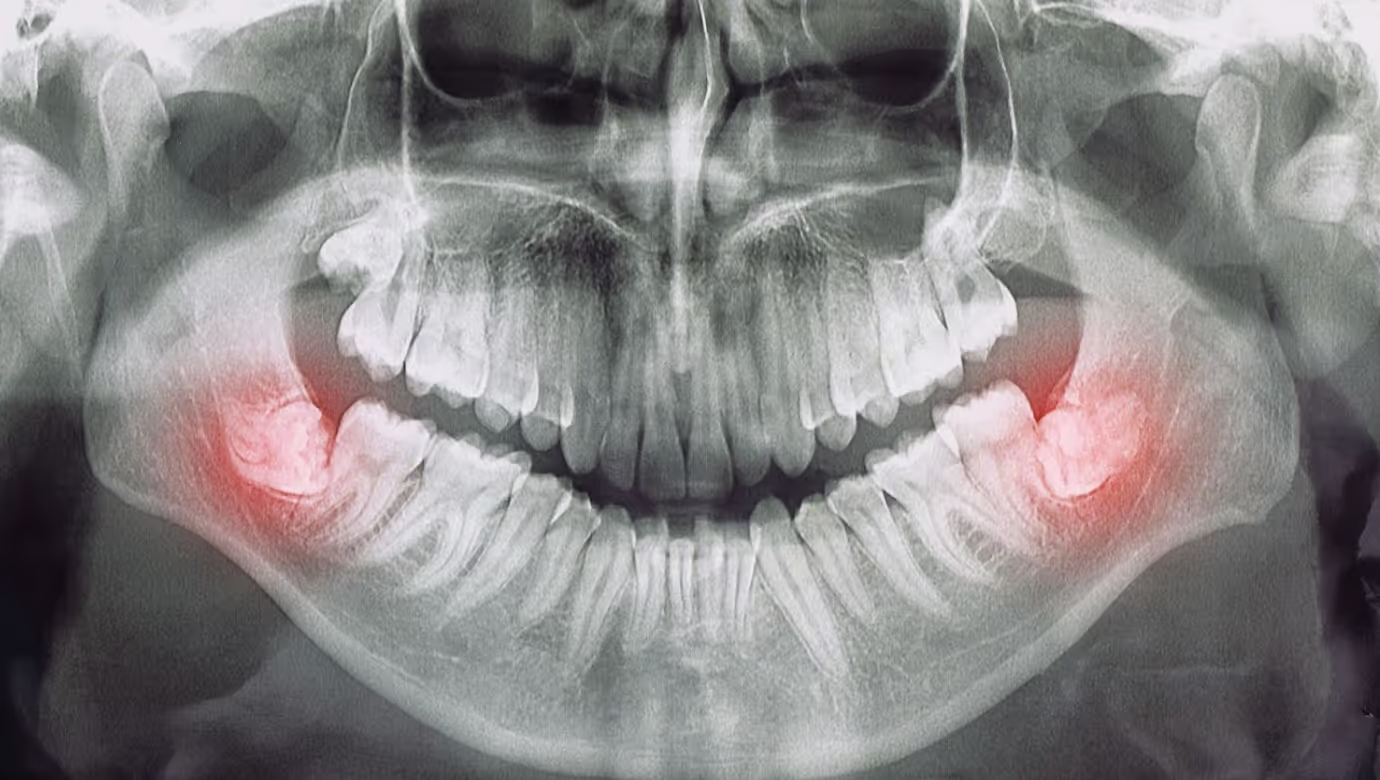
Even when they do not cause immediate symptoms, wisdom teeth that cannot fully erupt may lead to issues later in life.
Common signs of wisdom tooth issues
Some patients experience noticeable symptoms, while others do not. Contact our office if you notice:
Tenderness or swelling in the back of the mouth
Pain when chewing or opening widely
Redness or irritation near the gums
A bad taste or persistent bad breath
Pressure on nearby teeth
Repeated infections around the gums
Early evaluation helps prevent complications and allows for easier treatment planning.
Types of wisdom tooth impaction
Wisdom teeth can become trapped in different ways depending on how much of the tooth has erupted.
Soft tissue impaction
The tooth breaks through the bone, but the gums still cover part of the crown. Food and bacteria easily collect under the gumline, increasing the risk of infection and swelling.
Partial bony impaction
Part of the tooth is visible, while the rest remains below the gum and bone. These teeth are difficult to clean and frequently become irritated or infected.
Complete bony impaction
The tooth remains fully encased in the jawbone. These cases are generally more complex and are typically handled by an oral surgeon.
Why wisdom teeth may need to be removed
Not all wisdom teeth require extraction, but removal is often recommended when they pose a risk to overall oral health. Reasons for removing wisdom teeth include:
Pain or swelling
Gum infection around the tooth
Tooth decay due to limited cleaning access
Cysts or other jaw concerns
Pressure that may cause teeth to shift
Damage to nearby molars
Ongoing irritation of the surrounding tissues

Removing problematic wisdom teeth can prevent recurring infections, preserve oral comfort, and reduce future dental complications.
How wisdom teeth are evaluated
A thorough examination is the first step in determining whether wisdom teeth should be removed. Evaluation may include:
Digital or panoramic X-rays
Reviewing the position and angle of the teeth
Checking for signs of infection or decay
Assessing the risk of future problems
Early evaluation (often during the mid-teen years) helps identify developing issues and allows for smoother treatment if removal is needed.
What to expect during removal
The removal process varies depending on whether the tooth is erupted or impacted. In general, extraction may include:
Local anesthesia to numb the area
Gentle removal of the tooth
Cleaning of the extraction site
Placement of stitches when needed
For surgical cases completed by an oral surgeon, additional sedation options may be available.
Wisdom tooth removal is usually completed in a single visit, and patients return home the same day with aftercare instructions.
Recovery and aftercare
Most patients recover from wisdom tooth extraction within a few days. To support healing:
Follow the aftercare instructions provided
Keep the area clean without disturbing the site
Use ice packs for swelling
Eat soft foods for the first couple of days
Avoid straws and smoking

Our team is available to answer questions and help ensure a smooth recovery.
When to contact our office
Schedule a visit if you experience:
Persistent pain in the back of the mouth
Swelling or redness around the gums
Difficulty opening your mouth
Recurrent infections
Concerns about crowded or shifting teeth
Even if your wisdom teeth are not causing pain, early evaluation can prevent problems before they begin.
Schedule your wisdom tooth evaluation
Whether you’re experiencing discomfort or your teen has been advised to have their wisdom teeth checked, we’re here to help.
Green Meadows Family Dentistry provides thorough evaluations and guidance for patients throughout Virginia Beach. To schedule your wisdom tooth exam, contact our office or request an appointment online.
Schedule an Appointment 
FAQs
Do all wisdom teeth need to be removed?
Not always. Some wisdom teeth grow in safely. Removal is only recommended when they pose a risk to oral health.
What age is best for wisdom tooth extraction?
Many patients benefit from evaluation in their mid-teen years, but removal can be done later if needed.
Does wisdom tooth removal hurt?
Local anesthesia keeps the area comfortable, and most patients manage recovery well with recommended aftercare.
Can I go back to work or school after the procedure?
Most people take one to two days to rest, depending on the complexity of the extraction.
What if my wisdom teeth aren’t causing pain?
They may still cause future problems. A dental exam helps determine whether monitoring or removal is recommended.
